
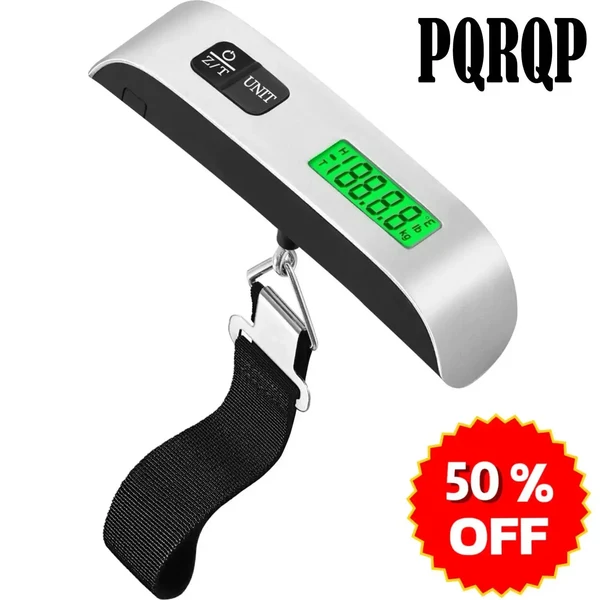
PQRQP Portable Digital Luggage Scale, 50 kg (110 lb), LCD
£31.99 incl. VATHow to choose
- Decide on the job first, then the type: the right type narrows every other choice.
- For a first purchase, a versatile all-round type is the easiest place to start.
- Compare materials for feel, weight and care, and pick the one that fits your routine.
Frequently asked questions
What size cosmetic bag works best for hand luggage?
Compact zipped pouches keep daily skincare and brushes tidy without taking up precious cabin depth.
How do I look after luggage scales?
Care for luggage scales depends on the material, so follow the care notes for each item; in general, regular light cleaning and dry storage keep things in good shape.
Where do I start if I am new to luggage scales?
If you are new to luggage scales, start with a versatile, all-round type in a material that is easy to care for, then add more specialised types once you know what you use.
What signs of good making should I look for in luggage scales?
Look for clean joins, even finishing and edges or seams that feel smooth; in luggage scales, small details like these say a lot about how carefully something was put together.
Which material is a good choice for luggage scales?
There is no single right material for luggage scales: compare weight, feel and care needs, and choose the one that suits how often and where it will be used.